Apple peel tea has quickly become one of my favorite recipes to make at home, and it all started quite unexpectedly. After baking an apple pie one weekend, I found myself with a bowl full of apple peels and cores.
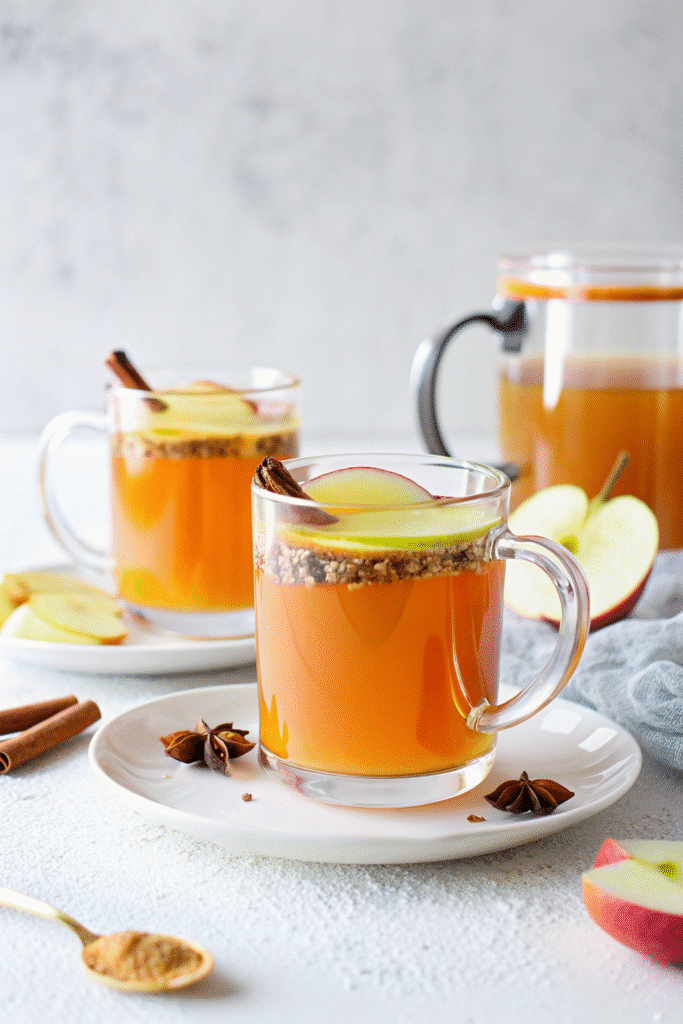
Normally, I would have tossed them in the compost, but something made me pause. I had read that Apple peel tea are rich in nutrients and flavor, so I decided to simmer them with warm spices and a touch of sweetness. The result was a fragrant, soothing tea that felt both comforting and nourishing.
There’s something special about preparing a recipe that turns what you might usually waste into something so delicious.
The natural sweetness of the Apple peel tea blends beautifully with cinnamon and cloves, creating a tea that is as cozy as it is refreshing. Whether sipped hot on a chilly evening or served chilled on a warm day, apple peel tea has become a staple in my kitchen.
Why Apple Peel Tea is the Ideal Recipe
When I first made apple peel tea, what struck me most was how effortlessly it came together. I didn’t need to buy anything extra, and that simplicity is part of its charm.
Instead of discarding the peels and cores left from snacking or baking, I discovered that they could be transformed into a wholesome tea. It felt rewarding to create something so flavorful from what would otherwise be waste.
One of the reasons I keep returning to this Apple peel tea is its balance of health benefits and comfort. Apples are naturally rich in antioxidants, and most of those nutrients are concentrated in the skin.
By using the peels, you’re not only saving ingredients but also capturing the healthiest part of the fruit. When simmered with cinnamon and cloves, the tea becomes a warming tonic that supports digestion, soothes the stomach, and provides a gentle lift of natural sweetness without being overly sugary.
Key Ingredients in Apple Peel Tea Recipe
When I first experimented with apple peel tea, I realized that the beauty of this recipe lies in its simplicity. Every ingredient serves a purpose, and together they create a drink that feels both comforting and refreshing. Here’s what I use and why each ingredient matters:
Apple Peels and Cores
The foundation of the recipe. I always choose organic apples when possible since the peels are the star of the tea. They provide natural sweetness, a light fruity flavor, and a boost of nutrients like fiber and antioxidants. I’ve noticed that red apple varieties give a sweeter tea, while green apples add a slight tartness.
Water
The base that ties everything together. Four cups are just enough to extract the flavors without diluting them. I’ve found that simmering the peels gently in water makes the aroma much richer compared to boiling too hard.
Honey or Maple Syrup
This is optional, but I like to add a little sweetness when I want the tea to feel more indulgent. Honey adds a floral note, while maple syrup brings a deep, earthy sweetness. Sometimes, I skip it entirely and let the natural flavor of the apples shine.
Cloves
Just two whole cloves make such a difference. They add a subtle spiced warmth that lingers after each sip. I remember the first time I added them—it instantly reminded me of cozy autumn evenings.
Cinnamon Sticks
Cinnamon is what makes this tea truly comforting. By steeping the sticks after simmering, the flavor stays balanced without overpowering the apples. It creates that nostalgic taste that makes this tea so inviting.
Apple peel tea recipe
- Total Time: 35 min
- Yield: 4 cups
Description
Apple peel tea is a soothing, flavorful drink made by simmering apple peels and cores with cinnamon and cloves. This simple, zero-waste recipe transforms leftover apple skins into a nourishing, antioxidant-rich tea perfect for sipping hot or chilled.
Ingredients
Tea Base
- 4 cups water
- 2 tbsp honey or maple syrup Optional sweetener
- 4 cups apple peels and cores preferably organic
Flavor
- 2 whole cloves
- 2 sticks cinnamon
Instructions
Pour 4 cups of water into a small saucepan. Add the apple peels, cores, and honey or maple syrup. Bring to a boil over medium heat.
Lower the heat to a gentle simmer and add the cloves. Simmer for 15 minutes to extract flavors and nutrients.
Turn off the heat and add the cinnamon sticks. Let the tea steep for an additional 15 minutes.
Strain the tea using a fine-mesh sieve into cups or a pitcher. Discard the solids. Serve warm or chilled. Store leftovers in the refrigerator for up to three days.
- Prep Time: 5 min
- Cook Time: 30 min
- Category: Beverage
- Method: Stir
- Cuisine: Homemade
How to Make Apple Peel Tea Recipe Step-by-Step
When I first made apple peel tea, I was surprised by how effortless the process felt. It’s one of those recipes that doesn’t require much attention yet delivers something special. Here’s exactly how I prepare it:
Start with the water
I pour four cups of water into a small saucepan. It’s just the right amount to let the flavors infuse without ending up with too much dilution. I’ve found that using filtered water makes the taste a little cleaner.
Add the apple peels and cores
I always make sure the peels are rinsed well, especially if I didn’t buy organic apples. As they go into the pot, I’m reminded that this recipe is all about giving new life to something we usually toss away.
Sweeten if desired
At this stage, I sometimes add honey or maple syrup. On days when I want a lighter, more natural tea, I leave it unsweetened. On other days, especially in colder months, a touch of maple syrup feels perfect.
Bring to a boil and then simmer
I bring the pot to a gentle boil over medium heat, then immediately reduce it to a simmer. This slow cooking helps extract the flavor from the peels without making the tea bitter. The scent that fills the kitchen as it simmers is warm and inviting.
Add the cloves
After lowering the heat, I drop in two whole cloves. They release their spice gradually as the tea simmers for about 15 minutes. This is the step that always makes the tea feel comforting and slightly festive.
Turn off the heat and steep with cinnamon
Once the simmering is done, I switch off the heat and add the cinnamon sticks. Letting them steep for another 15 minutes gives the tea a mellow, balanced spice. I’ve learned not to boil the cinnamon, as it can overpower everything else.
Strain and serve
Using a fine-mesh sieve, I strain the tea into mugs or a pitcher. The peels, cores, and spices are discarded, leaving behind a golden, fragrant liquid. I usually enjoy the first cup warm, but if there are leftovers, I chill them for an iced version later.
What Makes This Apple peel tea Recipe
When I first tried the ice water hack, I wasn’t expecting it to make much difference, but it turned out to be a simple trick that supported my routine.
Drinking very cold water helped me feel refreshed and slightly more energized, almost like giving my metabolism a gentle nudge. It’s not a miracle solution, but combined with healthy habits, it became a small, practical step I could rely on.
If you’re curious about simple, refreshing drinks that promote wellness, I also recommend exploring recipes like the Ice Water Hack Recipe, Hibiscus Water Benefits and Recipe (2026), or the Pink Salt Recipe You’ll Love (2026).
Apple Peel Tea Recipe Nutrition Facts
| Nutrient | Amount (per 1 cup) | Notes |
|---|---|---|
| Calories | 25–40 | Slightly higher if honey or maple syrup is added |
| Carbohydrates | 7–10 g | Mostly from natural apple sugars |
| Dietary Fiber | 1–2 g | Comes from small bits of apple peel left in the infusion |
| Sugars | 5–7 g | Natural fruit sugars, optional sweetener will increase this |
| Vitamin C | 3–5% DV | Apples provide a light boost of immune support |
| Potassium | 80–100 mg | Helps maintain hydration and healthy muscle function |
| Antioxidants | High | Especially quercetin, found in apple skins |
| Fat | 0 g | Naturally fat-free |
| Protein | 0 g | Not a significant source of protein |
| Sodium | 0 mg | Unless sweetener or flavor additions contain trace amounts |
FAQs
Is apple peel tea good for you?
Yes, apple peel tea is surprisingly good for you. When I started making it, I learned that most of the antioxidants and nutrients are actually in the skin. It feels light, hydrating, and gives a gentle boost without caffeine.
What can I make with apple peel?
I’ve used apple peels in more ways than I expected. Besides tea, they work well in smoothies, infused water, or even baked into crisps and chips. It’s a nice way to use every part of the fruit.
How do you make apple tea at home?
The easiest way I’ve found is simmering apple peels and cores with spices like cinnamon and cloves, then letting it steep. It doesn’t take much effort, and the flavor is far richer than anything I’ve bought prepackaged.
What is apple peel good for?
Apple peel is rich in fiber, antioxidants, and vitamins. I used to throw it away, but now I see it as one of the most valuable parts of the apple—good for digestion, overall wellness, and making delicious tea.
Conclusion
When I first made apple peel tea, I didn’t expect something so simple to become a regular part of my routine. It’s more than just a way to use leftover peels—it’s a reminder that the best recipes are often the ones we create with what we already have.
Every time I prepare it, the aroma of apples and spices fills my kitchen and makes me slow down for a moment of comfort. It’s an easy, nourishing drink that I’ll keep making, and one I’m glad to share.
For more wholesome, gut-friendly ideas, follow Elise Chef on Facebook for daily wellness tips and nourishing recipes.
Looking for inspiration? Visit Elise Chef on Pinterest to explore beautifully curated high-fiber recipes and discover your next healthy habit.